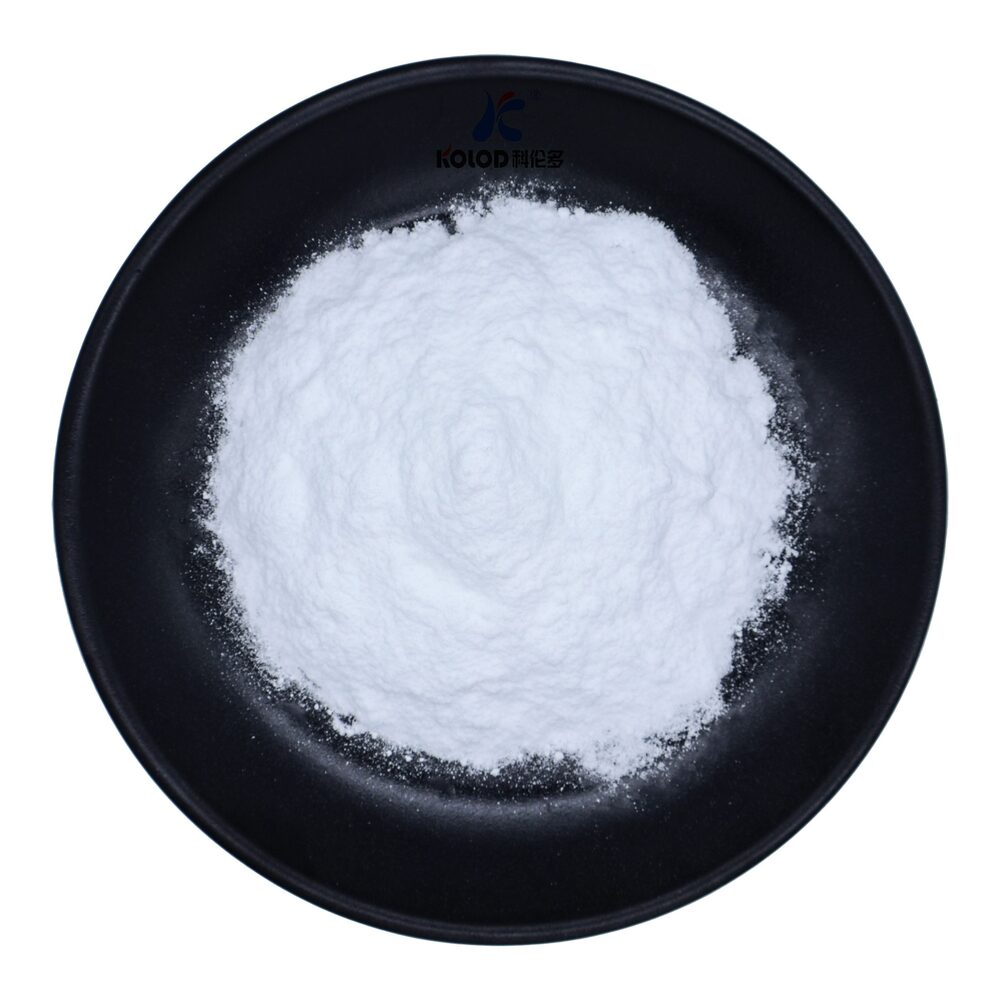
Call UsCall Us:- 07971670881
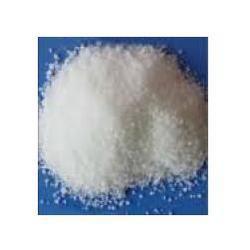
Sodium Phosphate Tribasic Anhydrous for Food Grade

Sodium Phosphate Tribasic Anhydrous for Food Grade

Sodium Phosphate Tribasic Anhydrous for Food Grade Specification

  • Appearance
  • White to off-white powder, crystals, or granules
  • Melting Point
  • 1583 degree C
  • Molecular Weight
  • 163.94 Kilograms (kg)
  • Density
  • 2.54 Gram per cubic centimeter(g/cm3)
  • Application
  • Industrial
  • Product Type
  • Sodium Phosphate Tribasic Anhydrous
  • Grade
  • Technical Grade
  • Usage
  • Laboratory
  • Physical Form
  • Powder


Sodium Phosphate Tribasic Anhydrous for Food Grade About

Our company offers highly pure and active Sodium Phosphate Tribasic Anhydrous compound which is used for the production of detergents, ceramics, and fertilizers. It physically appears as a white colored crystalline powder having a density of 1.62 grams per cubic centimeters. This powdered compound easily mixes with water to produce clear aqueous solution. It can be used as a pH buffer in metal treatment and cleaning solutions. It is slight irritant in nature hence it is advised to handle it with extra care using protective gear. Get Sodium Phosphate Tribasic Anhydrous as per your demands with an assurance of fast and safe delivery.
Product Details:

1) Product Name : Sodium Phosphate Tribasic Anhydrous
2) Compound Formula : Na3O4P
3) Molecular Weight : 163.94
4) Appearance : White to off-white powder, crystals, or granules
5) Melting Point : 1583 degree C
6) Density : 2.54 g/cm3
7) Exact Mass : 163.922728
8) Monoisotopic Mass : 163.922728
9) IUPAC Name : trisodium; phosphate

FAQs of Sodium Phosphate Tribasic Anhydrous:


Q: What is the molecular weight of Sodium Phosphate Tribasic Anhydrous?

A: The molecular weight of Sodium Phosphate Tribasic Anhydrous is 163.94 Kilograms (kg).

Q: What is the melting point of Sodium Phosphate Tribasic Anhydrous?

A: The melting point of Sodium Phosphate Tribasic Anhydrous is 1583 degree C.

Q: What is the density of Sodium Phosphate Tribasic Anhydrous?

A: The density of Sodium Phosphate Tribasic Anhydrous is 2.54 Gram per cubic centimeter (g/cm3).

Q: What is the appearance of Sodium Phosphate Tribasic Anhydrous?

A: Sodium Phosphate Tribasic Anhydrous appears as white to off-white powder, crystals, or granules.

Q: What is the application of Sodium Phosphate Tribasic Anhydrous?

A: Sodium Phosphate Tribasic Anhydrous is used in industrial applications.

Q: What is the physical form of Sodium Phosphate Tribasic Anhydrous?

A: The physical form of Sodium Phosphate Tribasic Anhydrous is powder.

Q: What is the grade and usage of Sodium Phosphate Tribasic Anhydrous?

A: Sodium Phosphate Tribasic Anhydrous is of technical grade and is commonly used in laboratory settings.

Tell us about your requirement
product

Price:

Quantity
Select Unit

  • 50
  • 100
  • 200
  • 250
  • 500
  • 1000+
Additional detail
Mobile number

Email

More Products in Phosphates Category

Di Sodium Phosphate for Food Grade

Di Sodium Phosphate for Food Grade

Minimum Order Quantity : 25 Kilograms

Grade : Technical Grade

Usage : Industrial

Physical Form : Powder

Product Type : Di Sodium Phosphate

Storage : Room Temperature
Sodium Tri Poly Phosphate for Food Grade

Sodium Tri Poly Phosphate for Food Grade

Minimum Order Quantity : 25 Kilograms

Grade : Technical Grade

Usage : Industrial

Physical Form : Powder

Product Type : Sodium Tri Poly Phosphate

Storage : Room Temperature
Disodium Hydrogen Phosphate Pure Anhydrous for Food Grade

Disodium Hydrogen Phosphate Pure Anhydrous for Food Grade

Minimum Order Quantity : 25 Kilograms

Grade : Technical Grade

Usage : Laboratory

Physical Form : Powder

Product Type : Disodium Hydrogen Phosphate

Storage : Room Temperature
Mono Sodium Phosphate Pure Indian for Food Grade

Mono Sodium Phosphate Pure Indian for Food Grade

Minimum Order Quantity : 25 Kilograms

Grade : Technical Grade

Usage : Industrial

Physical Form : Powder

Product Type : Mono Sodium Phosphate

Storage : Room Temperature


Back to top